

Options to Maximize
Charitable Giving
The writer to the Hebrews reminds God’s people to “ . . . not neglect to do good and to share what you have, for such sacrifices are pleasing to God” (Hebrew 13:16). How, though, can one’s gifts make the greatest impact?
At Fox Valley Lutheran, we are greatly blessed with donors who are eager to support our efforts to prepare students for lives of service and for eternity. There are numerous ways one can support this important ministry in two general categories: current gifts (given now, affecting ministry immediately) and deferred gifts (promised gifts that may be invested now, but impact the ministry later on). In each Legacy issue, we will help to explain a giving option from each category. Let’s take a look at two more options.


Cash (CURRENT)
Tax Savings
Capital Gains Relief
Survivors Benefit
Retirement $
$ Minimum
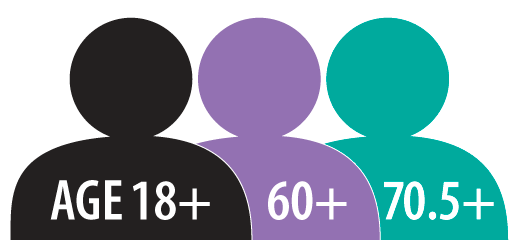
Cash gifts (including checks, credit cards or electronic funds transfer [EFT]) affect ministry immediately and can be designated to any fund or activity. Such gifts can be one-time gifts or can be set up as recurring gifts, withdrawn according to a schedule the donor sets up. One benefit of cash gifts, to the donor, is that they can provide tax savings in the tax year that the gift was donated. Due to recent tax law changes, in tax year 2026 individual donors can deduct up to $1,000 of charitable gifts even if they’re not itemizing deductions, while Senior donors (age 65+) could potentially deduct up to $6,000 each. Donors who choose to itemize deductions can also “bunch” gifts (combining intended gifts for multiple years in a given year) to take advantage of potential tax benefits.

Beneficiary Designations (DEFERRED)
Tax Savings
Capital Gains Relief
Survivors Benefit
Retirement $
$ Minimum
Many donors choose to support FVL by designating a portion of their financial assets (retirement plans, savings accounts, life insurance, commercial annuities) by designation. When the donor goes to heaven, designated beneficiaries receive those gifts directly. Individuals are responsible for paying taxes on those assets, depending on the asset type, but charities like FVL do not pay taxes, thus removing that tax burden from other beneficiaries. Beneficiary designations are usually easy to make or change, and there are tools that can make dividing up the assets between charities (e.g., FVL, your home church, other ministries) simple and easily adjustable.
As always, we strongly encourage you to check with your financial planner and/or tax advisor, as you consider how you can best support the ministry at FVL.
We also invite you to contact our Mission Advancement Office at any time to discuss which opportunities for giving may work best for you.
CURRENT Donation Options

Employer Matching Gifts
Tax Savings
Capital Gains Relief
Survivors Benefit
Retirement $
$ Minimum
Cash
Tax Savings
Capital Gains Relief
Survivors Benefit
Retirement $
$ Minimum

Appreciated Assets
Tax Savings
Capital Gains Relief
Survivors Benefit
Retirement $
$ Minimum

Donor Advised Funds
Tax Savings
Capital Gains Relief
Survivors Benefit
Retirement $
$10K Minimum

Qualified Charitable Distribution
Tax Savings
Capital Gains Relief
Survivors Benefit
Retirement $
$ Minimum

DEFERRED Donation Options

Endowments
Tax Savings
Capital Gains Relief
Survivors Benefit
Retirement $
$ Varies
Beneficiary Designations
Tax Savings
Capital Gains Relief
Survivors Benefit
Retirement $
$ Minimum

Wills & Trusts
Tax Savings
Capital Gains Relief
Survivors Benefit
Retirement $
$ Minimum

Charitable Remainder Trust
Tax Savings
Capital Gains Relief
Survivors Benefit
Retirement $
$200K Minimum

Charitable Gift Annuity
Tax Savings
Capital Gains Relief
Survivors Benefit
Retirement $
$10K Minimum
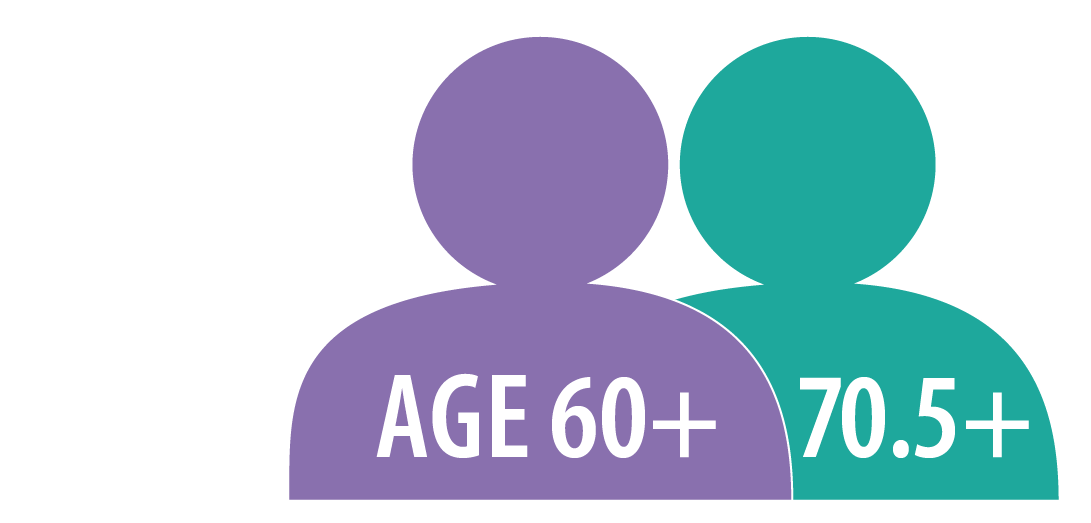
Use the chart above to discover ways that you might be able to maximize your support of ministries that are important to you, whether that is FVL or other ministries that are close to your heart.
If you have any questions, please feel free to contact our Mission Advancement Office for more information and assistance. We are always happy to talk with you.
Be sure to consult with your financial planner or tax advisor prior to making a decision. Charitable donations and their tax or estate impacts can vary widely according to personal circumstances.